
[su_tabs vertical=”no” class=”my-custom-tabs”]
[su_tab title=”Bio Art Undergraduate”]
During their first year, BFA Fine Arts students take a general survey of world art and literature along with six-hour studio classes designed to build essential technical skills in a variety of media. In their second and third years, they explore photography, sculpture, printmaking, video art and digital narrative. In the fourth year, they are given their own studio space, where they meet with a team of faculty members for discussion, critique and weekly feedback.
This list only includes Bio Art courses offered by the BFA Fine Arts Department. View All Undergraduate Courses.
[su_spoiler open=”yes” title=”Bio Art Undergraduate Courses”]
This course will begin with the skeleton, and students will learn about and internalize the structure, form and movement of the body in an effort toward making more informed drawings of the live model. A portion of the course will focus on the comparative anatomy of animals.
Anatomy can offer a concrete structure for drawing and painting the human figure. This course relates the study of the skeleton and the muscles to the live model. It will concentrate on the skeletal system in the fall semester and the muscles in the spring semester. Students will complete three life-size drawings of the human skeletal system, which will include views of the skull, torso and extremities, establishing the core of the human figure. Two triptychs, each consisting of a nude, muscular and skeletal drawing of a male and a female body, will be completed. We will learn the landmarks of the skeletal system, their relationship to the muscular system and how they work together to define the human form. An anatomy text such as Albinus on Anatomy by Hale and Coyle or Anatomy for the Artist by Jeno Barcsay is required.
This course will begin with the skeleton, and students will learn about and internalize the structure, form and movement of the body in an effort toward making more informed drawings of the live model. A portion of the course will focus on the comparative anatomy of animals.
Anatomy can offer a concrete structure for drawing and painting the human figure. This course relates the study of the skeleton and the muscles to the live model. It will concentrate on the skeletal system in the fall semester and the muscles in the spring semester. Students will complete three life-size drawings of the human skeletal system, which will include views of the skull, torso and extremities, establishing the core of the human figure. Two triptychs, each consisting of a nude, muscular and skeletal drawing of a male and a female body, will be completed. We will learn the landmarks of the skeletal system, their relationship to the muscular system and how they work together to define the human form. An anatomy text such as Albinus on Anatomy by Hale and Coyle or Anatomy for the Artist by Jeno Barcsay is required.
You are what you eat—or are you? Do you know what is in your food? From farm to fork what happens in between? Is what the food producer tells you true? FOOD: Projects in Bio Art focuses on how food production, industrial farming and GMOs have become part of our daily life. Projects will consists of growing plants hydroponically, DNA analysis of local food, and time-lapse photography and microscopic imaging of foodstuffs. In addition, we will explore the cultural differences, taboos and evolution of eating practices.
We will look at culinary styles around the world, and their social, economic and political ramifications. We will examine urban farming, molecular cuisine, digital gastronomy, as well as pesticides and contaminates. Part forensic and part horticulture in practice, we will gather plants to extract pigments for watercolor; design food sculptures, including stencils for cakes; and use spices in novel ways. We will explore the effect microorganisms have on food— from cheese to e-coli to yogurt. From the good, the bad and the ugly, how has genetic engineering affected our lives? What effect is global warming having on food sources? Performance, painting, sculpture, public art, photography, illustration and cartooning, as well as community-based projects are welcome.
From the decipherment of the human genome to industrialized food production, science has spilled out of the laboratory into our lives. As scientists engage in molecular engineering, the corporeal body and the manipulation of life forms have become a public and aesthetic discourse unto themselves. This course will examine intersections between laboratory practices and visual art production. Projects will employ video microscopes and scanning devices, scientific specimen collections, plant tissue engineering, new anatomical models and molecular cuisine. In addition, each student will design their own terrarium with fish, aquatic plants and/or micro eco-systems. Field trips and guest lecturers will complement course material. Students may work in a variety of media, from drawing and painting to the digital and performing arts.
Tracing the animal kingdom from jellyfish to insects to humans, students will gain a working knowledge of comparative animal anatomy. The focus will be on vertebrates (reptiles, birds, and mammals) and the morphological differences which constitute groups, families and individual species. There will be discussions on ecology, evolution and the depiction of animals throughout art history. Students will work from specimens from the SVA Bio Art Lab, on-location drawings and photos.
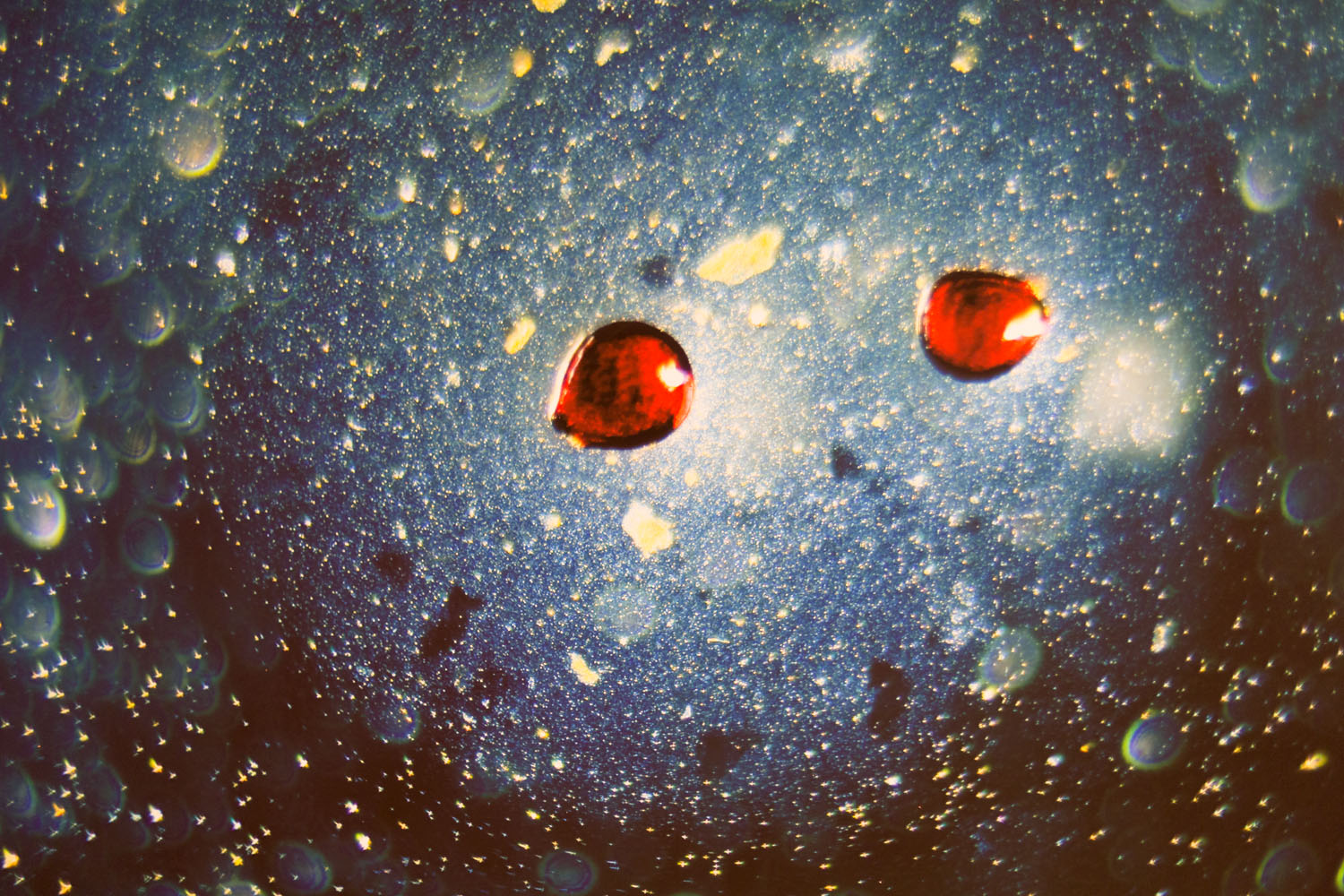
Humans have been tampering with species development for thousands of years, and creating countless varieties of domesticated plants and animals. Today, advances in biotechnology allow for the creation of entirely novel life forms such as transgenic rats glowing with jellyfish genes. In this course, students will be introduced to the emerging field of biological arts through hands-on laboratory practices and discussions. Through bi-weekly excursions to local biotech labs, parks, pet stores and seafood markets we will examine altered organisms. In the lab, students will create a postnaturalist journal, bacterial paintings, culture plant tissue, generate and disperse native seed bombs, learn proper techniques for preserving vertebrates and generate post-mortem chimerical sculptures from biological media. Discussions will range from bio-ethics/ecological thought to science fiction/biological reality, and more.
In this course, we will visit local sites in search of urban botanicals from which to draw creative inspiration. We’ll explore micro and macro environments, the fractal realm of self-similarity and symmetry; we’ll see how the nature/nurture dialectic has been exploited by artists, and we’ll look to the less obvious lichens, molds and mosses as alternatives to the more ornamental botanicals. To meet the countless challenges that botanicals present, students will explore various mediums to create drawings/collages that range from the simple to the complex.
[/su_tab]
[su_tab title=”Bio Art Continuing Education”]
SVA is an art and design school in NYC offering continuing education courses to meet the diverse educational needs of the city’s professional art and design community, as well as the larger community within which the College resides. Request information at ce@sva.edu to learn more about NYC continuing education at SVA.
You will have the attention of New York’s creative elite, and access to the same computer labs, studios, editing facilities and equipment used by successful talents worldwide. We offer courses during the week and on weekends, from one-day workshops to full-semester courses.
[su_spoiler open=”yes” title=”Bio Art Continuing Education Courses “]
[/su_accordion]
[/su_tab]
[su_tab title=”Bio Art Summer Residency Program”]
SVA’s Summer Residencies in New York City offer artists, designers and creative thinkers time, space and a supportive community in which to develop ideas and focus on their artistic direction. A variety of professional immersion programs provide opportunities for artists to explore new areas of social and technological practice and engage critically within their field. Affordable housing is available, as well as opportunities to show work to the public.
[/su_tab]
[/su_tabs]
Please Note: Course descriptions and availability are subject to change. Check the SVA Registration Book and aks your Academic Advisor for additional information.